

GDPR for Startups: 7 Rules to Ensure Compliance in 2026
GDPR for startups
In 2018, the European Union introduced the General Data Protection Regulation (GDPR). This shifted how businesses handle personal information globally. Whether you are running a multinational corporation or acting as the CEO of a lean startup, you must prioritize data privacy.
In this article, we explore why GDPR for startups is vital and how you can implement it correctly from day one.
What Does Personal Data Processing Actually Mean?
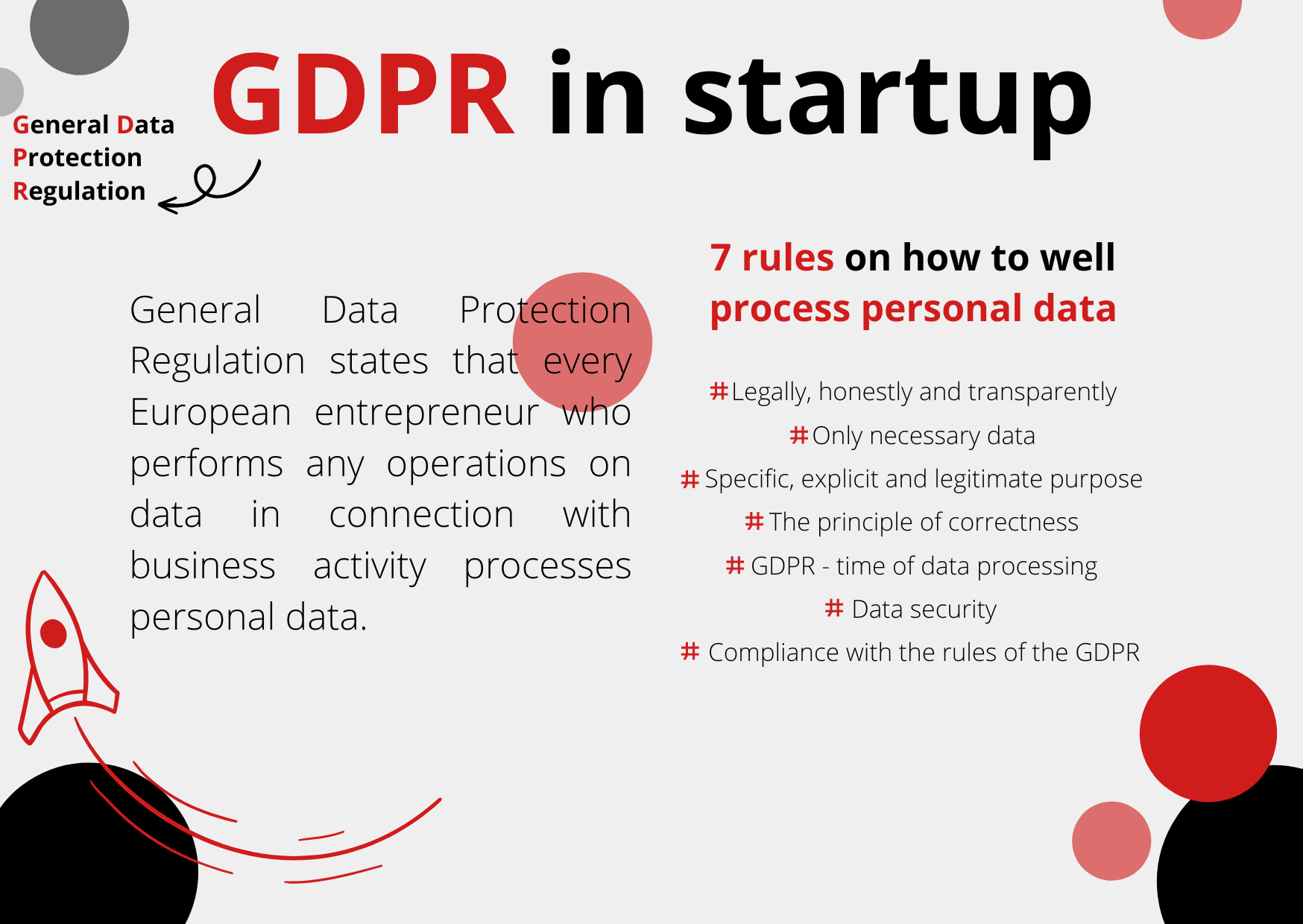
The GDPR states that any European entrepreneur who performs operations on data during business activity is "processing" personal data. Your company size or industry does not matter. Furthermore, it doesn't matter if you store data digitally or on paper.
If you collect information that identifies a natural person—such as an email address, a CV, or an IP address—you are a Data Controller. As a startup, you likely handle data when contacting investors, recruiting employees, or managing mobile app users.
7 Core Rules for Processing Personal Data
If you collect data, you are responsible for all GDPR duties. Failure to comply can lead to heavy fines. Here is how to ensure your startup stays compliant:
1. Lawfulness, Fairness, and Transparency
This is the most important rule. You must process data in a way that is legal and clear to the user. To be legally admissible, you must identify a specific legal basis (such as consent or contract necessity) before you begin.
2. Specific and Legitimate Purpose
You must clearly state why you are collecting data. You should define this purpose before processing starts. Consequently, you must inform the individual exactly how you intend to use their information.
3. Data Minimization
Startups should only collect necessary data. This fundamental rule means your data must be adequate and limited to what is required. For example, if you are building a mobile app, do not ask for location or contact access unless the app cannot function without it.
Tip: Avoid collecting data "just in case" you might need it later. Under GDPR, this is strictly forbidden.
4. Accuracy and Correctness
You have an obligation to keep data accurate. If information is outdated or incorrect, you must take reasonable steps to delete or rectify it immediately.
5. Storage Limitation
You cannot keep personal data forever. Once you realize the initial goal or purpose, you must remove the data. While some laws determine specific retention periods, the administrator is generally responsible for setting these timelines.
6. Integrity and Confidentiality (Security)
Security is about using the right technical and organizational tools. This might include:
- Strong password policies.
- End-to-end data encryption.
- Clear internal security policies. Because GDPR does not provide a specific list of required tools, the responsibility falls on the startup to choose effective solutions.
7. Accountability
Finally, you must be able to prove your compliance. If a regulator audits your startup, you must demonstrate your "accountability" through documentation, such as privacy policies and data processing agreements.
Why GDPR Matters for Your Growth
Focusing on GDPR for startups early on fosters a professional image. It builds trust with users and, more importantly, creates a favorable impression among potential investors.
Do you have questions about your startup's compliance? Write to us today! While you wait for a reply, feel free to listen to our latest podcast or browse our other articles.

