SWOT Analysis for Startups: How to Build a Winning Strategy
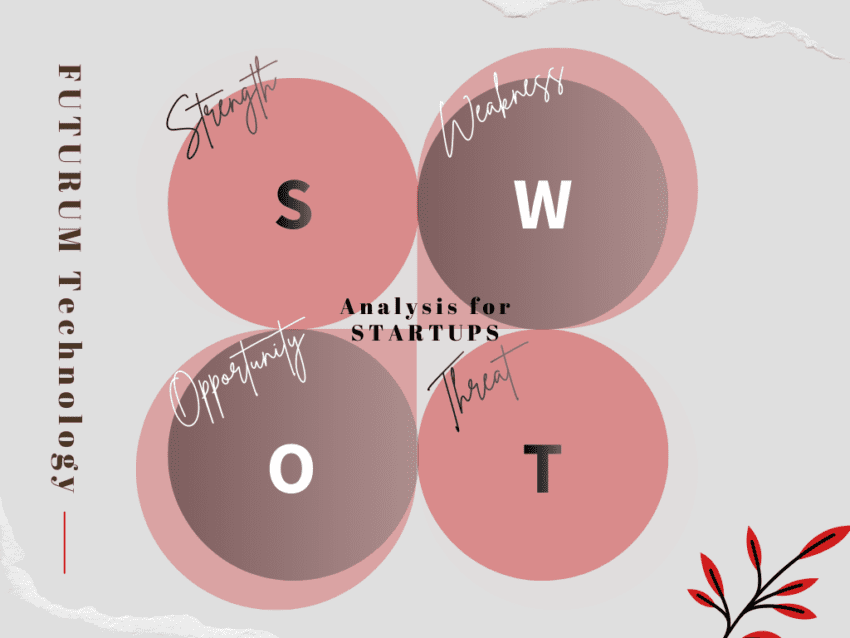
A SWOT analysis for startups is a powerful business tool. It helps founders identify strengths, weaknesses, opportunities, and threats. By evaluating these four aspects, you can assess the potential of any project or product.
Furthermore, this technique allows you to use your resources effectively. It reduces the risk of failure by highlighting what is missing in your current plan. Ultimately, a solid SWOT analysis distinguishes your startup from the competition.
How to Conduct a SWOT Analysis
First, you should prepare a simple 2×2 grid. This matrix will house each of the four SWOT categories. To get the best results, follow these four essential steps:
- Gather a diverse team: Do not brainstorm alone. Include people from technology, sales, and marketing to get different perspectives.
- Boost creativity: Start with a quick warm-up game to spark innovation.
- Use sticky notes: Let everyone generate ideas individually first. This prevents “groupthink” and ensures every voice is heard.
- Evaluate and prioritize: Use a voting system to rank the best ideas. This creates a clear list of strategic priorities.
Understanding the Internal Factors: Strengths and Weaknesses
Strengths and weaknesses are internal factors. This means they are within your control as a founder.
- Strengths: These are things your startup does exceptionally well. It could be a unique technology, a skilled team, or a strong brand reputation. Ask yourself: What unique resources do we have?
- Weaknesses: Be honest about your challenges. These might include budget limits or gaps in the team’s expertise. Therefore, identifying weaknesses early allows you to fix them before they become critical.
Navigating External Factors: Opportunities and Threats
External factors come from the market environment. You cannot control them, but you must respond to them.
- Opportunities: These often arise from market trends or changes in technology. For instance, a new regulation might favor your business model. Look for gaps in the market that your competitors are ignoring.
- Threats: These include everything that could negatively impact your company from the outside. Examples are new competitors, economic instability, or supply chain issues. You must anticipate these risks to stay ahead.
Why Your Startup Needs This Analysis
Conducting a SWOT analysis for startups offers deep insights into your business operations. It is easy to get lost in daily tasks without reflecting on the bigger picture.
In addition, this analysis helps in budget planning and recruitment. It allows you to develop tangible strategies for long-term success. You can also use SWOT to evaluate specific ad campaigns or new product features.
In conclusion, a well-executed SWOT analysis is vital for any tech venture. It turns uncertainty into a structured roadmap. If you need help managing your startup’s growth, feel free to contact the Futurum team. Visit our blog for more expert tips on navigating the tech landscape: https://www.futurum.tech/blog/index.php/2024/06/27/creating-a-business-strategy/