
Remote Developer Team Management
The tech world has undergone a massive shift, and for most startups, remote developer team management has become the standard operating procedure. While outsourcing provides access to global talent and cost efficiency, it also introduces a specific set of challenges. The most common fear for any CTO or CEO is the “delivery drift”—those silent delays that push a launch date back by weeks or even months.
When you aren’t in the same room as your developers, small misunderstandings can snowball into major roadblocks. However, avoiding delays isn’t about micromanagement; it’s about building a robust framework for collaboration. Here is how to manage your remote developers to ensure every sprint stays on schedule.
1. Establish a Single Source of Truth
The fastest way to lose momentum is to have project details scattered across emails, Slack messages, and Google Docs. For effective remote developer team management, you must implement a centralized project management tool (like Jira, Linear, or Asana).
Every task should have a clear definition of “Done,” technical requirements, and a deadline. When developers know exactly where to find information, they spend less time asking questions and more time writing code.
2. Define Communication Protocols
Communication is the heartbeat of remote work, but too much of it can be as damaging as too little. Developers need “deep work” blocks to solve complex problems. Constant Slack notifications are the enemy of productivity.
- Asynchronous First: Encourage your team to document updates in the ticket itself.
- Synchronous for Solving: Use video calls for brainstorming or unblocking complex issues, but keep them brief.
- Daily Stand-ups: A 15-minute daily sync ensures everyone is aligned and highlights “blockers” before they cause a 24-hour delay.
3. Prioritize Cultural Alignment and Soft Skills
When outsourcing, it’s easy to treat a remote team as a “code factory.” This is a mistake. To avoid delays, your remote team needs to feel like an extension of your company.
During the onboarding process, explain the “Why” behind the product. When developers understand the business impact of their work, they are more likely to take initiative and flag potential technical debt early. Alignment on company values reduces the friction that often leads to missed deadlines.
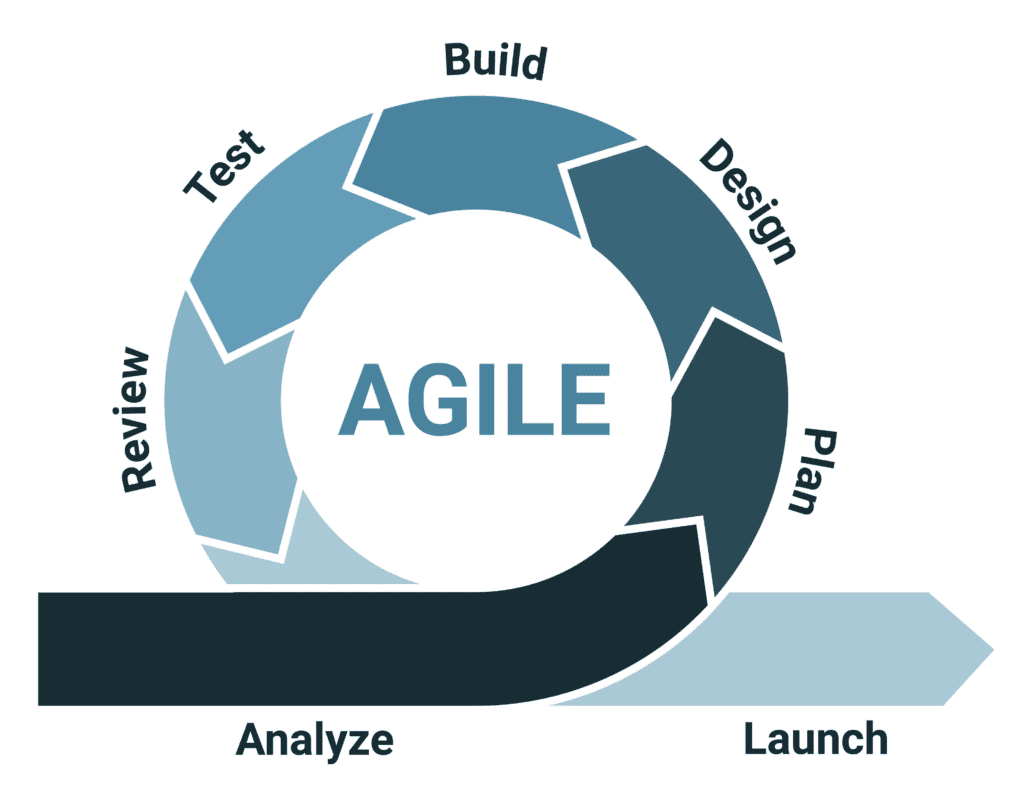
4. Implement Rigorous Code Reviews and CI/CD
Delays often occur during the integration phase because of buggy code. You cannot afford to wait until the end of a milestone to check the quality of the work.
Setting up a Continuous Integration/Continuous Deployment (CI/CD) pipeline ensures that code is tested automatically as it is written. Combined with a strict peer-review process, this keeps the codebase clean and prevents the “bug-fixing marathon” that usually happens right before a big deadline.
5. Manage Time Zone Differences Strategically
Time zones can be a hurdle or a superpower. If your remote developers are 6 hours ahead, they can work while you sleep, and you can review their work when you wake up.
However, this requires at least a 2–4 hour “overlap” window. Use this shared time for meetings and real-time collaboration. Effective remote developer team management involves planning tasks so that no developer is stuck waiting 12 hours for an answer to a simple question.
6. Set Clear Milestones and KPIs
Large projects can feel overwhelming, which often leads to procrastination or scope creep. Break your roadmap into two-week sprints with tangible deliverables.
Track metrics such as:
- Velocity: How much work is the team completing per sprint?
- Cycle Time: How long does it take for a task to go from “In Progress” to “Done”?
- Bug Rate: Is the speed of delivery compromising the quality?
By monitoring these KPIs, you can spot a slowdown early and adjust resources before the final deadline is compromised.
7. Build Trust, Not Surveillance
There is a temptation in remote management to use “activity tracking” software. This almost always backfires by killing morale and driving away top talent. Trust is the foundation of speed.
Focus on output rather than hours. If the code is high quality and the milestones are met, it doesn’t matter if a developer worked from 8 AM to 4 PM or preferred a late-night session. A trusted team is a motivated team, and a motivated team rarely misses a deadline.
Conclusion
Successful remote developer team management is a balance of the right tools, clear communication, and a culture of accountability. By eliminating ambiguity and treating your outsourced partners as true team members, you can navigate the complexities of remote work without the constant fear of delays.
Building a startup is a marathon. Make sure your technical foundation is strong enough to keep you running at full speed.
For effective remote developer team management, you must implement a https://www.futurum.tech/blog/index.php/2024/02/27/remote-startup/