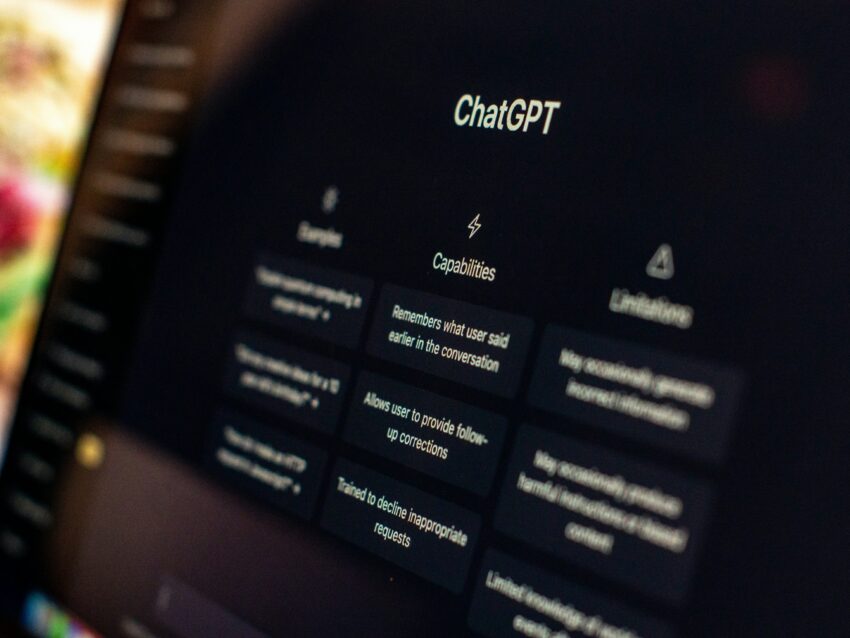
GPT-5 in the IT industry – A New Era of Code Analysis and Documentation
Artificial intelligence has accustomed us to a rapid pace of change, but the release of GPT-5 in the IT industry in August 2025 marks a turning point that has resonated deeply across the technology sector. Sam Altman described this model as the “next step on the path to AGI,” and developers worldwide have begun to analyze how this model will realistically impact the daily work of software houses.
Breakthrough Capabilities of GPT-5 in the IT industry
The new model is not just another update; it is a completely new, unified architecture that understands both text and images natively. The most significant difference we will feel in development work is the massive context window—up to 256,000 tokens in the interface. What does this mean in practice? The AI can “read” and analyze entire code repositories simultaneously without losing the thread halfway through a file.
For specialists, reliability is key. The latest model generates 26% fewer factual errors than its predecessor, and in “Thinking” mode, this rate improves even further. This makes this solution a partner you can trust when debugging complex systems.
Programming and the Role of GPT-5 in the IT industry
OpenAI has focused on the democratization of software development. Thanks to new features, a person without deep technical knowledge can build a working application based on a simple description. The tool not only writes the code but also designs the graphical interface and selects appropriate visual elements.
For experienced developers, GPT-5 in the IT industry primarily provides support in:
- Bug Detection: Thanks to its vast memory, the model finds connections between distant code snippets.
- Optimization: It suggests better data structures, increasing the quality of the final product.
- Refactoring: It automates repetitive tasks, allowing the team to focus on system architecture.
Automatic Documentation
No one likes writing documentation, but everyone wants to have it at hand. In this area, artificial intelligence shows its true power. The model can analyze an entire specification and generate consistent README files or API descriptions. Importantly for modern projects, this process is multilingual—the AI can create content in English and then efficiently translate it into other languages while maintaining specific technical jargon.
Summary
The introduction of the next generation of models is not just a curiosity; it is a real tool that increases the efficiency of development teams. Fewer errors and a massive context window make working on innovations faster and more precise.